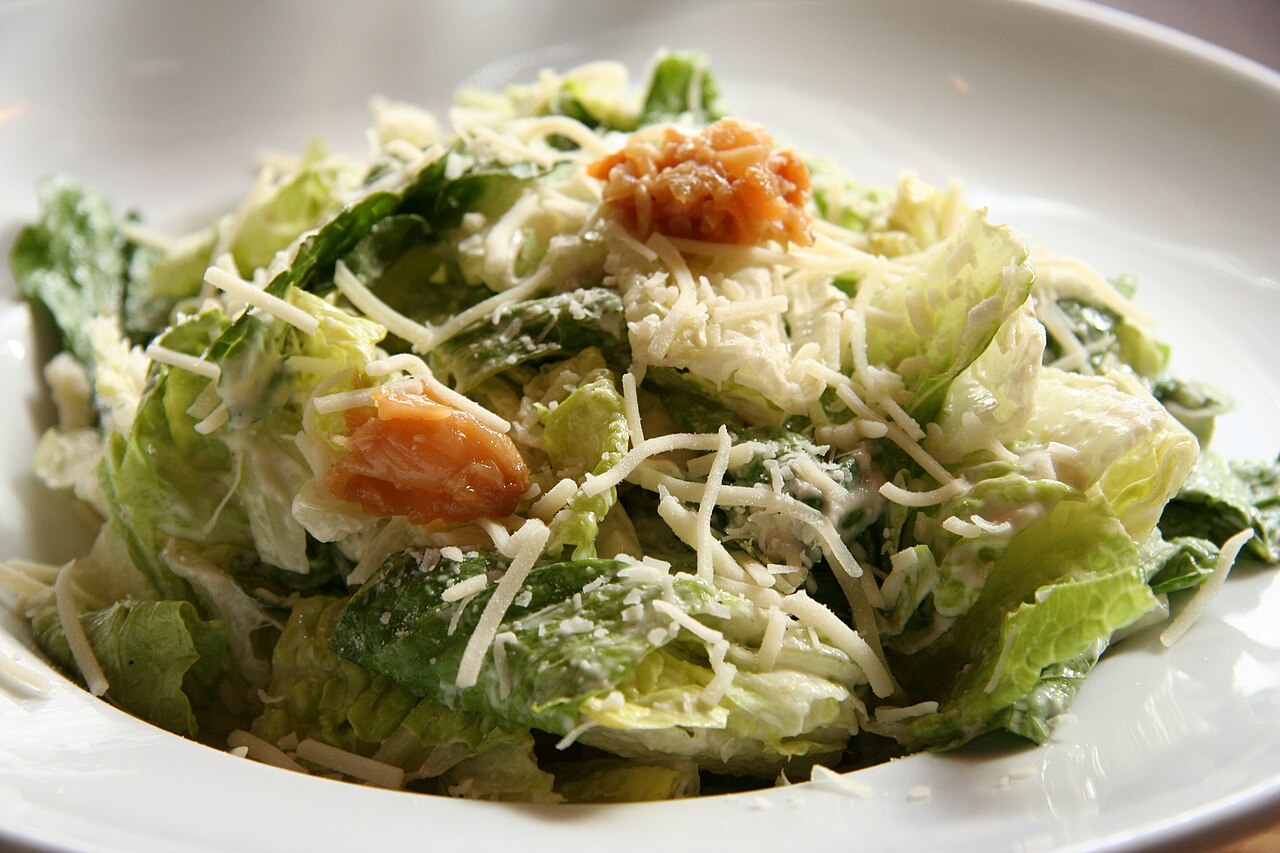
The caesar salad is undeniably one of the most recognizable and beloved dishes on menus worldwide. From fine dining establishments to casual family eateries, this crisp combination of romaine lettuce, crunchy croutons, savory Parmesan, and that distinctive dressing holds a special place in the hearts of salad enthusiasts. It’s a dish that effortlessly transitions from a refreshing appetizer to a satisfying main course, often elevated with the addition of protein. Yet, for all its widespread popularity and seemingly European elegance, the true origin of the caesar salad holds a surprising secret: its birthplace isn't Rome or Paris, but rather a bustling border town in Mexico during the roaring twenties.
Ditch any preconceived notions of a purely Italian heritage, because to truly understand the magic of this iconic salad, we must journey back to Tijuana, Mexico, during the Prohibition era. It's a tale of culinary ingenuity, resourceful improvisation, and a family legacy that has cemented the caesar salad's place in gastronomic history.
The Universal Appeal of the Caesar Salad: More Than Just Lettuce
What is it about the caesar salad that has captivated diners for nearly a century? At its core, the traditional preparation is remarkably simple, consisting of just a few key ingredients that, when combined, create a symphony of textures and flavors. Typically, this includes crisp romaine lettuce, generously grated Parmesan cheese, crunchy croutons, and the star of the show: the rich, tangy, and umami-packed Caesar dressing.
The iconic dressing itself is a carefully balanced concoction, traditionally featuring fresh lemon juice, raw or coddled egg, pungent garlic, more Parmesan, Worcestershire sauce, and, crucially, anchovies. While the idea of anchovies might deter some, their role is not to add an overtly "fishy" taste, but rather to contribute a deep, savory brininess that is essential to the dressing's complexity. This blend creates an emulsion that clings perfectly to every leaf, delivering a flavor punch that far exceeds the sum of its parts. Making this dressing from scratch is a game-changer, elevating the entire dish beyond anything found in a store-bought bottle. For an in-depth guide on mastering this homemade delight, check out our article on Ditch the Bottle: Crafting the Perfect Homemade Caesar Salad.
The universal appeal also lies in its versatility. While the classic remains a beloved choice, the caesar salad has evolved to accommodate diverse palates and dietary preferences. It's a blank canvas for culinary creativity, easily transformed with the addition of grilled chicken, seared steak, succulent shrimp, or crispy bacon for a heartier meal. Beyond proteins, variations might include nutrient-rich kale, creamy avocado, or sweet cherry tomatoes, proving that this classic is anything but rigid. It’s a testament to its robust foundation that it can incorporate such diverse elements while retaining its distinctive character.
From Italian Shores to American Thirst: Caesar Cardini's Vision
The story of the caesar salad truly begins with Caesar Cardini, an Italian immigrant whose entrepreneurial spirit led him across the Atlantic. Born near Lago Maggiore, Italy, Cardini made his way to the United States in the 1910s, initially establishing restaurants in northern California. However, a seismic shift in American society would soon steer his destiny, and that of his burgeoning culinary enterprise, south of the border.
When Prohibition was enacted across the United States in 1920, the sale and consumption of alcohol became illegal. This presented a significant challenge for restaurateurs like Cardini, whose establishments often relied on alcohol sales to thrive. Resourceful and quick-thinking, Cardini seized an opportunity presented by geography. He packed his bags and moved just across the border to Tijuana, Mexico, a vibrant city that offered a convenient escape from America's dry laws.
In Tijuana, Cardini opened "Caesar's," a restaurant that quickly became a popular destination for Americans eager to cross the border and enjoy the drinks and convivial atmosphere that were forbidden back home. The restaurant was a bustling hub, attracting a lively crowd seeking entertainment and culinary delights. It was within this unique cultural and historical context, amidst the backdrop of American Prohibition and Mexican hospitality, that the legendary caesar salad was born.
The Birth of a Legend: Two Tales from Tijuana
Like many famous culinary creations, the exact origin of the caesar salad is shrouded in a bit of mystery and has been passed down through various accounts. However, both prominent narratives firmly place its inception at Caesar Cardini's Tijuana restaurant, highlighting his inventive spirit.
Rosa Cardini's Account: The Fourth of July Improvisation
The most widely accepted story comes from Caesar Cardini's daughter, Rosa Cardini. She recounts that on a particularly busy Fourth of July in 1924, Americans were flocking to Tijuana, and Caesar's restaurant was overwhelmed. The kitchen was running low on supplies, a common predicament during peak holiday rushes. Rather than turn away hungry patrons, Caesar, ever the improviser, gathered what few ingredients he had left:
- Romaine lettuce
- Olive oil
- Raw eggs (some accounts suggest they were coddled for a creamier texture)
- Croutons
- Parmesan cheese
- Worcestershire sauce
- Garlic
With these humble components, Caesar created a dramatic tableside presentation, tossing the salad directly in front of his guests. The salad was originally conceived as a finger food, with large romaine leaves acting as natural scoopers for the dressing and other elements. This theatrical flair, combined with the salad's unexpectedly vibrant flavor profile, immediately captivated his customers and the dish quickly became a sensation, cementing its place on the menu and in culinary lore.
Alex Cardini's Claim: The Aviator's Salad
Another compelling story suggests that it was actually Caesar’s brother, Alex Cardini, an Italian air pilot who had served in World War I, who was the true inventor. According to this legend, Alex was working at Caesar's restaurant when a group of American airmen visited. Wanting to treat them to something special, he reportedly created a finger food salad using many of the now-familiar ingredients, but specifically adding anchovy filets. This version was initially dubbed the "Aviator's Salad." As the dish gained popularity, the story goes, Caesar appropriated the recipe and renamed it after himself, a common practice in the competitive world of restaurants.
While the exact inventor may be debated, what remains undisputed is the salad’s Mexican birthplace, its creation during a time of resourceful culinary innovation, and the Cardini family’s indelible link to its legacy. The integration of anchovies, whether from Alex’s original recipe or a later refinement, eventually became a defining characteristic of the caesar salad dressing we know and love today.
The Enduring Legacy: From Tijuana to Global Phenomenon
Regardless of which Cardini brother first tossed those now-famous ingredients, the caesar salad quickly transcended its humble Tijuana beginnings. By the 1930s and 40s, it had become a popular dish in California and across the United States, celebrated by Hollywood stars and food critics alike. Its reputation for elegant simplicity and bold flavor spread, eventually making it a global phenomenon.
Today, the caesar salad continues to evolve. Chefs and home cooks alike experiment with its core components, introducing new textures and tastes. We see grilled halloumi instead of Parmesan, gluten-free croutons, or even innovative plant-based versions of the creamy dressing. For those looking to push the boundaries of this classic, exploring Beyond Basic: Creative Caesar Salad Variations for Any Meal can offer exciting new culinary adventures.
From its surprising origins in Prohibition-era Tijuana to its current status as a culinary staple, the caesar salad is more than just a dish; it's a testament to the power of improvisation, the allure of a good story, and the enduring appeal of simple, perfectly balanced flavors. It serves as a delicious reminder that sometimes, the most iconic creations arise from the most unexpected circumstances.
